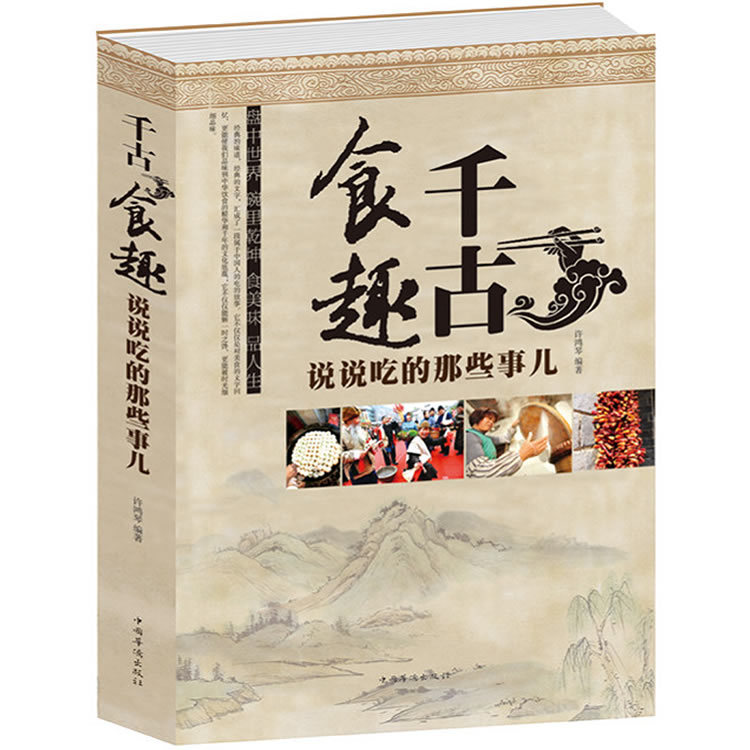
The First Discussion on Chinese Cuisine
Chapter 1: The Origins of Chinese Food Culture
The Youchao family teaches the people to eat fruits and hunt animals
Fuxi founded fisheries and animal husbandry
燧人氏钻木取火
Shennong tasted hundreds of herbs
Huangdi taught the people to steam grains for food
The founder of agricultural cultivation for the people: Hou Ji
Chapter 2: The Development History of Chinese Food Culture
Xia, Shang, and Zhou: The Initial Formation Period of Food Culture
The characteristics of the initial formation period of Chinese cuisine
Qin to Song: The flourishing period of culinary culture
Characteristics of the flourishing development period of Chinese food culture
Yuan, Ming, and Qing Dynasties: The Mature and Prosperous Period of Food Culture
The characteristics of the mature and prosperous period of Chinese food culture
Characteristics of Contemporary Chinese Food Culture
Chapter 3: The Artistic conception of Food
color
fragrant
flavor
name
form
realm
Chapter 4: Famous Chinese Dietary Thoughts
Confucianism advocates that food is paramount to the people
Confucius' dietary philosophy
Mencius' dietary insights
Laozi's Way of Eating
Zhuangzi's simple dietary philosophy
The Buddhist diet of practicing vegetarianism
Li Yu's dietary health concept
Chapter 5: Famous Chinese Food Treatment Figures
Peng Zu: Ancestor of Food Health Preservation
Yi Yin: Governing a great country is like cooking small delicacies
Yiya: Ancestor of Shandong cuisine
Taihe Gong: Grilled fish is famous all over the world
Fan Zheng: A talented female chef
Shanzu: Tang Dynasty female famous chef
Dong Xiaowan: Make food full of emotion
Xiao Meiren: Pastry is more expensive than gold
Chapter 6: Important Chinese Dietary Classics
The Inner Rules of the Book of Rites: The earliest dietary literature in China
Huangdi Neijing: A Basic Theoretical Work on Dietary Therapy
Dietary Guidelines: Food combinations should be avoided and avoided
Wu Family Feedback Record: A Food Classic Compiled by a Female Chef
The Essence of Medicine King's Dietary Therapy Theory in "Preparing Urgent Prescriptions for Qianjin"
Suiyuan Food List: A Classic of Literary Chefs
Drinking and Eating ": A monograph on nutrition
Zunsheng Ba Jian ": A work of health toys
The Classic of Food: Preface to the Last Testament, Revealing the Afterlife
Qi Min Yao Shu ":" Water Diversion "Facing the World
Art and Culture Gathering Food Department: The Story of "Cheese and Su"
Chapter 7: China's Famous Centennial Old Shop
Quanjude
Dong Laishun
Dragon Wonton
Songhelou Restaurant
Heji Braised Noodles
Chen Mapo tofu Store
Jingyang Temple
Liuweizhai
Hou Defu
Xinyuan Zhai
Liubiju
Tonghe Residence
Barbecue season
Daoxiangcun
Liuquanju Restaurant
Chapter 8: Famous Banquet in Chinese History
Manchu-Han Imperial Feast
The Deer Banquet
Kong Mansion Banquet
Qiansou Banquet
feast hosted by the Qing emperor for successful candidates of the imperial examination
banquet to celebrate the results of a military-service examination
Huiwu Banquet
Qujiang Banquet
feast honoring successful civil-service examination candidates in the Tang dynasty
Full Donkey Feast
Closing banquet
Banqiao Banquet
Whole Sheep Feast
Luoyang Water Seat
The Second Chinese Food Culture
Chapter 1 Overview of Chinese Food Ingredients
Ingredients are the foundation of Chinese cuisine
The accumulation and progress of Chinese food ingredients
Cultural Classification of Chinese Food Ingredients
Chapter 2: Five Grains for Nourishing
Why are grains used for nourishment
Ji regulates the spleen and stomach
Wheat nourishes the heart qi
Rice replenishes lung qi
Millet deficiency and damage
Essence of Shubu:
Chapter 3: Five Fruits for Assistance
Fragrant and nutritious fruits
Juicy and refreshing lychee
Pear can clear the throat and reduce internal heat
The Big Health in Little Strawberries
Citrus fruits are rich in vitamin C
Chinese Fairy Fruit Peach
Sweet, glutinous, and crispy chestnuts
Crispy and delicious jujubes
Pineapple with a sweet and warm taste
Sour and Sweet Apricot
Watermelon that clears and moistens the lungs
Chapter 4: Five Livestock for Benefit
Ten thousand year history of animal husbandry
The head of the five livestock: Pixiu
Pride in Meat: Cattle,
Eating lamb in winter and competing with ginseng
Horse meat with strong muscles and bones
The vegetable in meat: rabbit meat
Chicken, duck, goose
the four famous domestic fishes
Winter fragrant meat supplement
High protein cuisine: Cicada
The Beauty of Crabs Around Mid Autumn Festival
Grasshoppers: edible and medicinal
Ink bucket fish: a great food therapy product
Clams: the freshest in the world
Chapter 5: Five Dishes for Filling
Five Cuisine Culture
Huo, Jie, Mao, Jiu, Song
Moisturizing skin with water melon
Treasure in Water: Lotus Root
Appetizing bamboo shoots
Queen of Mushrooms: Mushrooms
Yam that delays aging
Winter melon that clears heat and generates fluids
Qianjin Cai ": Lettuce
Ruyi Cai: Bean Sprouts
The white radish of ginseng
The Crown of Fungi "Tremella fuciformis
Nutritious and "stone removing" black fungus
Onion with multiple benefits
Pumpkin that replenishes qi and relieves cough
Cauliflower that can fight cancer
Chapter 6: Five Flavors for Harmony
Five flavored ingredients
Vinegar culture
Sugar culture
Onion, Garlic, and Ginger Culture
Chili culture
Salt culture
Sauce culture
Pixian watercress
Soy sauce culture
Braised sauce culture
Sichuan pepper culture
Oyster sauce culture
Yangjiang fermented soybean culture
Pepper culture
Chapter 7 Precautions for Food Ingredients
Carrots are suitable for cooking with meat
Sesame should be eaten equally with Ume
Eggplant should be eaten equally with Huangjiu
Potatoes should be eaten equally with beef
Sweet potatoes and persimmons are eaten together
Pork should not be eaten together with sheep liver and other ingredients
After eating dog meat, never drink tea
The opponents of carp: red beans, dog meat, pickles
Spinach should be paired with eggs and pork liver
Soybean milk should not be mixed with eggs
Xiaomi should be cooked together with beans
Carrots cannot be eaten with oranges
Apple pairing should be avoided
Kiwi fruit should not be eaten with dairy products
Animal liver paired with vegetables can suppress cholesterol
You can have both fish and tofu at the same time
Taro and celery Congee can nourish qi deficiency and increase appetite
Preserved eggs with ginger vinegar is more nutritious
The best partner for salted eggs is pickled vegetables
Eating brown sugar and ginger together can resist wind and cold
Chapter 8: Storage of Food Ingredients
Foods that are not suitable for storage together
How to store without damaging the radish bran
Vegetables are nutritious, don't store them in the refrigerator for too long
Cabbage won't 'age' in winter like this
A wonderful method for long-term preservation of corn
Tips for apple preservation
Scallions can easily survive the winter like this
Using plastic wrap indiscriminately can turn food into toxic substances
Don't harm your health because of packaging
Do not store edible oil for more than one year
How to preserve rice to prevent it from being eaten by insects
Keep mung beans away from small flying insects
How to store fish
Precautions for Beer Storage
Do not place oil bottles on the stove
Chapter 9: Patients Carefully Choose Food Ingredients
Patients with coronary heart disease should not drink too many cola type beverages
Cardiovascular patients should avoid eating crabs
Arthritis patients should avoid eating fatty meat
Eat less eggs when you have a fever
Vitiligo patients should not eat foods rich in vitamin C
Liver disease patients should not eat garlic to kill viruses
Eye disease patients should avoid eating garlic and sweets
When you have toothache, you can seek help from Sichuan peppercorns
Eating more Tremella fuciformis can reduce internal heat
Cold dietary therapy prescription
Good news for constipation patients: figs and honey
Poor appetite, cilantro can help you stimulate your appetite
Hypertensive patients should not eat too much salt
Heart disease patients should eat less rapeseed oil
Patients with chronic gastritis should not drink beer
Ulcer patients should not drink coffee or other beverages
Liver patients should avoid drinking alcohol
Hepatitis patients should not eat too much sugar
Patients with urinary tract stones should refuse to eat spinach
Kidney disease patients should not eat more protein rich foods
Chronic renal failure patients should avoid eating cantaloupe and bananas
Epilepsy patients should not eat too much salt or drink too much water
Epilepsy patients should not eat foods high in zinc
Avoid drinking carbonated drinks after abdominal surgery
Patients with fractures should not eat too much meat and bones
Chapter 3: Chinese Cuisine Culture
Chapter 1: The Formation Process and Background of the Eight Major Chinese Cuisine
Eight major cuisines and Chinese culinary culture
The formation process of the eight major cuisines
The background of the formation of the eight major cuisines
Chapter 2: Shandong Cuisine Culture
The Historical Background of Shandong Cuisine Culture
The historical trajectory of the development of Shandong cuisine culture
The flavor schools of Shandong cuisine culture
Famous dishes of Shandong cuisine
Chapter 3: Su Cuisine Culture
Tracing the Origin of Su Cuisine Culture
The Four Major Local Flavors of Su Cuisine
Famous Su cuisine dishes
Chapter 4 Sichuan Cuisine Culture
The cultural origins of Sichuan cuisine
The cooking characteristics of Sichuan cuisine
Famous Sichuan cuisine dishes
Chapter 5 Cantonese Cuisine Culture
The Origin of Cantonese Cuisine Culture
Characteristics of Cantonese cuisine culture
Famous Cantonese cuisine dishes
Chapter 6 Fujian Cuisine Culture
Tracing the Origin of Fujian Cuisine Culture
The main ingredients of Fujian cuisine
The cooking characteristics of Fujian cuisine
Famous Fujian cuisine dishes
Chapter 7 Hunan Cuisine Culture
The 'genes' of the development of Hunan cuisine
Characteristics of Hunan cuisine
Famous Xiang cuisine dishes
Chapter 8 Zhejiang Cuisine Culture
Components of Zhejiang cuisine
The cooking characteristics of Zhejiang cuisine
Advantages of Zhejiang cuisine development
Famous Zhejiang cuisine dishes
Chapter 9 Anhui Cuisine Cuisine Culture
The Origin of Anhui Cuisine Cuisine
Raw materials of Anhui Cuisine cuisine
The cooking characteristics of Anhui Cuisine cuisine
Famous Anhui Cuisine Cuisine
Chapter 10: Cuisine and Culture of Other Regions in China
Beijing cuisine culture
Tianjin cuisine culture
Hubei cuisine culture
Qin cuisine culture
Jin cuisine culture
Yu cuisine culture
Yunnan cuisine culture
Northeast cuisine culture
Taiwanese cuisine culture
Chapter 4: Chinese Tea Culture
Chapter 1: The Origin and Development of Tea
The Origin of Tea
Tea Saint Lu Yu and His Classic of Tea
Jin Dynasty and Southern and Northern Dynasties: The Sprout of Tea Culture
Tang Dynasty: The Rise of Tea Culture
Song Dynasty: The Rise of Tea Culture
Yuan, Ming, Qing: The Spread of Tea Economy to the World
Chapter 2 Chinese Tea Set
The origin of tea sets
Tang Dynasty tea set
Song Dynasty tea set
Yuan Dynasty tea set
Ming Dynasty tea sets,
Qing Dynasty tea set
Chapter 3: Chinese Tea
Oolong tea (green tea) category
Black tea category
green tea category
black tea
Yellow tea category
White tea category
Compressed tea
Extract tea
Health tea category
Fruit flavored tea
Flower tea
Chapter 4 Introduction to Various Varieties of Famous Teas
Lushan Mist and Clouds
Lu'an Gua Pian
West Lake Longjing Tea
Dongting Biluochun
Taiping Houkui
Mengding tea
Junshan Silver Needle Tea
Wuyi Rock Tea
Pu'er tea
Silver needle Pekoe
Anxi Tieguanyin Tea
Keemun Black Tea
Chapter 5: Traditional Culture in Tea Ceremony
Confucianism and Chinese Tea Culture
The Buddhist Tea Theory of 'One Flavor of Tea Zen'
The Taoist philosophy of "unity of heaven and man"
Tea and Chinese Poetry
Tea and Art
The realm of drinking tea
Chapter 6: Chinese Teahouse Culture
The emergence of tea houses in the Tang Dynasty
The flourishing of tea house culture in the Song Dynasty
Teahouses during the Yuan and Ming dynasties
The Development of Teahouses in the Qing Dynasty
Sichuan Teahouse Culture
Hangzhou Teahouse Culture
Guangdong Teahouse Culture
Beijing Teahouse Culture
Chapter 7: Literati and Tea
A close friend of the Poetry Monk and Tea Saint
Bai Juyi and Tea
Wang Anshi distinguishes water and examines Su Shi
Li Bai expresses his feelings with tea
Tang Xianzu uses tea to express his aspirations
Luyou Tea Festival
Li Qingzhao and his wife's tea drinking test memory
Sima Guang and Su Dongpo engage in tea and wisdom battles
Lao She's "Teahouse" and Tea
Chapter 5: Chinese Wine Culture
Chapter 1: The Origin and Development of Alcohol
The legend of the origin of brewing
The Development of Alcohol
Classification method of alcohol
Types of alcohol
Chapter 2: The Fragrant Fragrance of Wine in the Long River of History
Moutai
Fenjiu
Wuliangye wine
Xifeng Liquor
泸州老窖
Gujing Gong Jiu
The Wine Culture in Paintings
The Wine Culture in Couplets
Wine Culture in Calligraphy
The Wine Culture in Classical Novels
Chapter 6: Celebrities and Alcohol
Emperor and Wine
Famous generals and wine-
Literati and Wine
Poets and Wine
Poets and Wine
Chapter 6: Chinese Dietary Customs and Etiquette
Chapter 1 Dietary Etiquette
Dietary Etiquette in the Pre Qin Period
Emphasizing education, respecting the virtuous, and caring for the elderly
Banquet Ceremony
Hospitality etiquette
Seat etiquette
Eating etiquette
Chapter 2 Festival Food Customs
Spring Festival Food Customs
Spring Festival food customs
Yuanxiao (Filled round balls made of glutinous rice-flour for Lantern Festival) Food Customs
February 2nd Food Customs
Qingming Festival food customs
Liqia Food Customs
Loong Boat Festival Food Customs
Summer solstice food customs
Liqiu Food Customs
Qixi Festival Food Customs
Mid-Autumn Festival Food Customs
Food customs during the Double Ninth Festival
Winter Food Customs
Winter Solstice Food Customs
Food customs during the Laba Festival
Chapter 3: Life Etiquette, Food Customs
Love, blind date, food customs
Engagement food customs
Out of house dining customs
Cave eating customs
Returning home food customs
Pregnancy related dietary habits
Childbirth customs
Three Dynasties Food Customs
Birthday food customs
Funeral and Food Customs
Chapter 4 Ethnic Minority Food Customs
Zhuang cuisine customs
Li ethnic food customs
Yao cuisine customs
Tujia ethnic group's food customs
Manchu food customs
Mongolian cuisine customs
Uyghur food customs
Buyi ethnic food customs
Dong ethnic food customs
Bai ethnic food customs
Kazakh cuisine customs
Tibetan food customs
Miao cuisine customs
Hani ethnic food customs
Korean ethnic food customs
Dai cuisine customs
Yi ethnic food customs