|

|
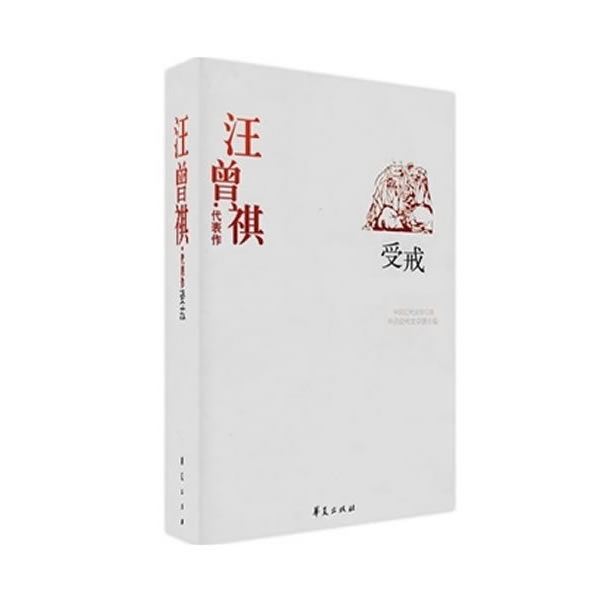
[Name] Wang Zengqi's Representative Work - Receiving Precepts
[Author] Edited by Wang Zengqi
Huaxia Publishing House
【 Open 】 16 open
[Page] 298 pages
【 Size and Weight 】 0.58kg
ISBN number: 978758017938
|
Wang Zengqi's Biography
novel
Occupation (draft)
Occupation (revised draft)
revenge
Temples and Monks
Chicken and Duck Master
Lao Lu
Green Cat
artist
Car wearing craftsman
Yi Bing
encounter
Receiving ordination
Da Nao Chronicles
Hometown Three Chen
cat abuse
Anle Residence
Xiao Fang
veterinarian
prose
garden
Cai Dehui
Sunday Morning
Imperial College
Xiang Xing Er Ji
Mount Taishan Rubble
First acquaintance with Nanxi River
First visit to Fujian
Mr. Shen Congwen is at Southwest Associated University
Mr. Jin Yuelin
Remembering Dexi
Lin Jinlan, hahaha
High rise buildings in Hong Kong and big trees in Beijing
Lincoln's Nose
Human plants and trees
Hutong culture
Yuanxiao (Filled round balls made of glutinous rice-flour for Lantern Festival) in hometown
The Death of Jia Sidao
Seventy books of nostalgia
Father and son have become brothers for many years
reconcile oneself to one's situation
literary theory
The essence of short stories
The Language Issues in Chinese Literature
Rubbing dough
About Novel Language (Notes)
Shen Congwen's Silence
Beauty - Life
Lin Jinlan's low stool bridge
Regarding the 'ordination'
How was the "Da Nao Chronicles" written
Preface to the Collected Works
On the Consciousness of Excellence
List of Wang Zengqi's main works
Wang Zengqi, the last scholar official in China, wrote novels in a prose style, depicting his observations and experiences of the Five Elements and Eight Elements of his hometown, as well as its customs and traditions, which are rich in local characteristics. The work exudes a sense of solemnity in its looseness, and a sense of strangeness in its simplicity. The emotions are lively and distant, with a clear and elegant style.
Wang Zengqi is a writer with a strong sense of life and humanitarianism, and "Taking the Precepts" is his representative work. In this utopian water town world full of peach blossom ideals, he starts from the concept of harmony between humans and nature, reflecting the author's attention and reflection on the living conditions of humans, highlighting a poetic beauty of nature and the overall harmony of poetic existence.
This book is one of the "100 Masters of Modern Chinese Literature" and includes dozens of novels, essays, and literary theories by Wang Zengqi.