The Origin of Stamps and Philatelic Activities
The Connotation of Stamps/002
The Birth of Stamps/008
The Development of Stamps/017
The first stamp of each continent/023
The Origin of Philatelic Activities/028
The Rise of Philatelic Activities in China/033
The Culture and Significance of Philately/036
Composition of stamps
Pattern/044
Remembering/049
Face value/058
Perforation/062
Shape/071
Material/075
Watermark/081
Other components/085
Stamp professional terminology
Terminology for expressing stamp size/092
Terminology related to stamps/096
A colorful world of stamps
Types of stamps/102
Regular Stamp/106
Commemorative Stamp/l09
Special Stamp/112
Electronic stamps/113
Roll stamp/116
Air stamp/18
Debt stamp/121
Stamp/123
Stamping/127
Exchange stamps/129
Official stamps/130
Donated stamps/134
Personalized stamps/139
Variant Stamp/141
Luminous Stamp/143
Print and ticket samples/145
Unissued stamps/l49
Other forms of stamps/151
Collection, organization, and counterfeit identification of postal products
Collection of Philatelic Products/160
Sorting of postal products/167
Storage of postal products/172
Identification of Stamp Appearance/177
Stamp fraud/180
Methods for Distinguishing Counterfeit Stamps/182
Authenticity verification of stamps/185
Common philatelic tools
Philatelic operation tool/194
Stamp Protection Tool/201
Stamp Collection Tool/205
Choose stamp collecting method
Traditional Philately/212
Special Stamp Collection/222
Other types of philately/240
Abbreviations for Appendix Stamps

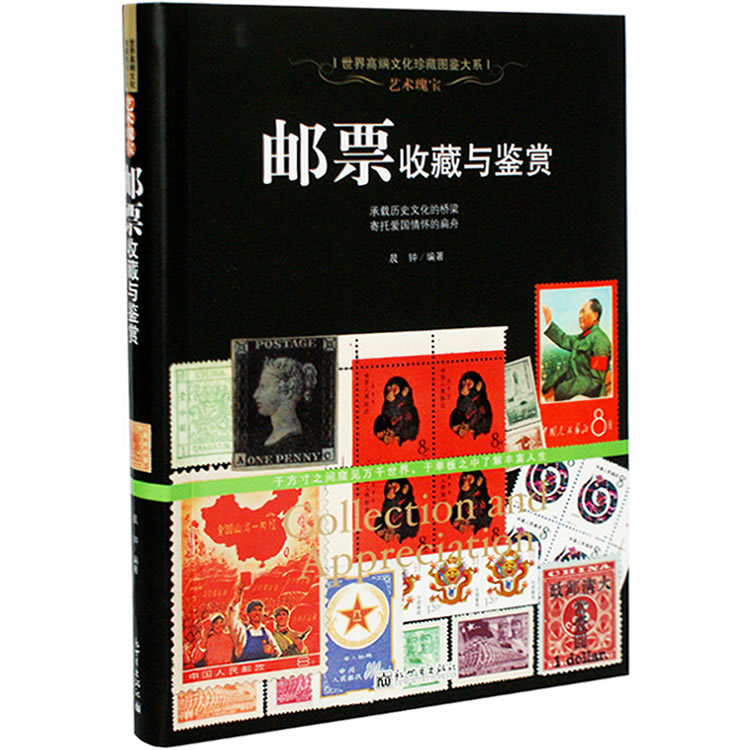
This book provides a comprehensive and systematic introduction to the development, artistic characteristics, types, artistic value, and identification points of stamps through rich literature. The content is rich, the images are clear, and the text is easy to understand. By presenting them in the form of colored images and text from multiple angles, readers can have a deeper understanding of the development process, era characteristics, and collection value of stamps.