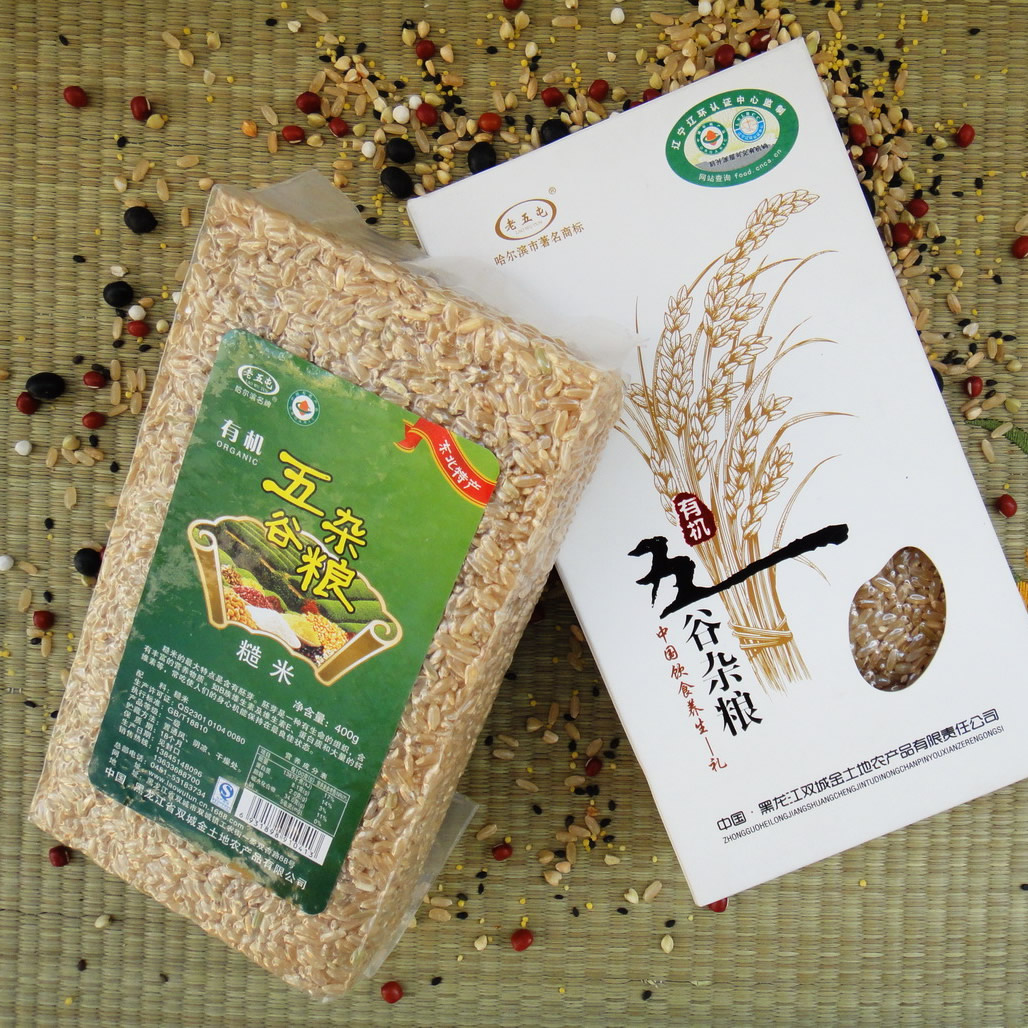
Brown rice refers to the whole grain that is preserved except for the outer shell. Rice that contains the cortex, aleurone layer, and germ. Due to its coarse texture and tight texture, it takes a lot of time to cook; But the nutritional value of brown rice is higher than that of white rice. Compared with whole wheat, although brown rice has a lower protein content, its protein quality is better, mainly consisting of rice germ protein. The composition of amino acids is relatively complete, making it easy for the human body to digest and absorb. However, it has a lower content of lysine and contains more fat and carbohydrates, which can provide a large amount of calories for the human body in a short period of time.
1、 Nutritional components
1. Brown rice contains 8 amino acids, 16 minerals, and 21 vitamins, providing complete, comprehensive, and natural nutrition for humans. Brown rice has the germ, which is known as the source of life. This valuable embryo contains carbohydrates, fats, crude protein, fiber, vitamins A, B1, B2, B6, niacin, folate, vitamin E, various minerals, and important enzymes.
The biggest characteristic of brown rice is that it contains germ cells. Embryo is a living tissue that contains abundant nutrients. It will develop into a plant in the appropriate environment. It can be seen that the embryo has high nutritional value. Embryo not only contains abundant B vitamins, vitamin E, protein, and carbohydrates, but also a large amount of fiber and unsaturated fatty acids.
Zinc did not attract people's attention in the past, but now more than 80 enzymes in the human body have been found to contain zinc, making it widely recognized as an essential component of human diet. The zinc content in brown rice is 16.4mg/kg, while in polished rice it is only 6mg/kg.