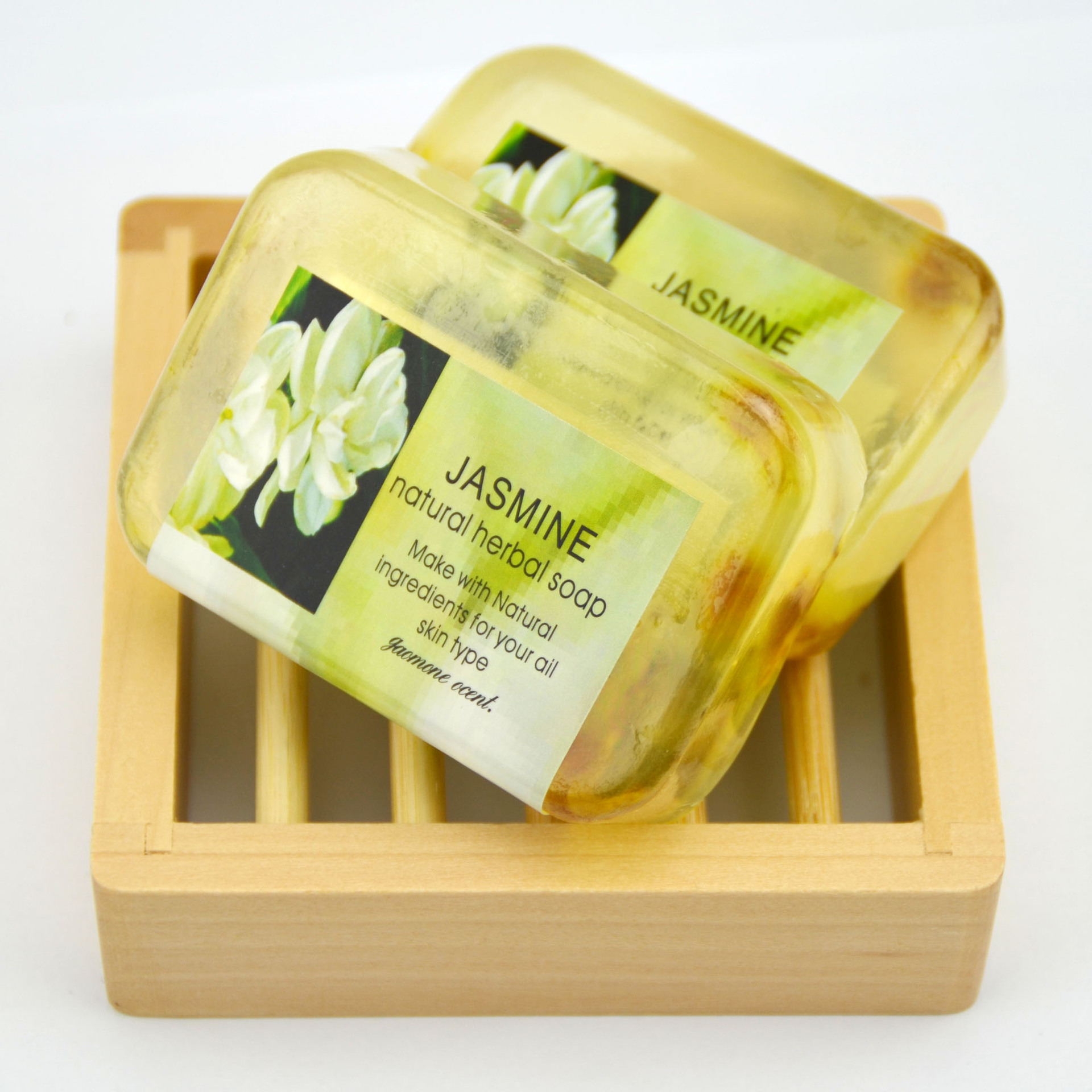
Regarding the product
Our product images are all taken from real objects to ensure they are the same as the actual ones; But under different lighting conditions and different displays, it may cause color difference problems. The specific color values can be sampled, and we will produce according to the sample
[Product Warranty]
From raw material preparation, processing, to cleaning process, there are professional quality supervision personnel to ensure that it is an ideal cleansing and bathing product. It is made of refined plant oils, glycerin, polyols, etc., and is scientifically configured and handmade. It has excellent washing, moisturizing, and hydrating effects, as well as good artistic appreciation. The product has delicate and rich foam, which is easy to pass water. It is more water-saving than the commonly sold facial cleanser and shower gel, and is regarded as a "low-carbon product" of energy conservation and environmental protection.
The pH value of the process design is (7~7.2), which is close to neutral and skin friendly. It is excellent in both cleansing and caring for the skin, making it suitable for all people. Due to the moisturizing ingredients such as glycerol and polyols contained in the product, it is easy to absorb moisture from the air, resulting in the formation of bead like crystals on the surface of the soap body, which is a normal situation and does not affect its use
[Product Name]: Clear Lemon Fragrance Cold Soap
【 Production process 】: Using a unique alkali free formula, the glycerol content reaches 25%, and the essential oil content is>4%; Do not add any chemical reagents!
【 Main Ingredients 】: jojoba oil, rosehip oil
[Product efficacy]: Whitening, spot removing, moisturizing, anti sensitive acne/anti acne
[Applicable method]:Bathing, washing hands, and cleansing are also acceptable;
[Suitable skin type]:Can be used for any skin type;
【 Instructions 】:Handmade soap is made by saponification of natural oils and fats, without adding any bubblesTherefore, the foam is soft and fine, so it can be used with a bath ball or a bath brush to wet, rub and foam the hand soap before cleaning, and wash it with clean water before daily maintenance. It is suggested that two hand soaps can be used in turn, and dried after use to keep dry, which can extend the use time.
Common problems with handmade soap
1. How is handmade soap made?
Oil+Sodium Hydroxide+Water=Soap+Glycerol is that simple! Glycerol is an essential moisturizing ingredient in skincare and cosmetics. During the saponification process of handmade soap, 25% glycerol is naturally produced, which is super moisturizing and super gentle.
2. Why is handmade soap better than commercially available soap?
Most commercially available soaps extract the glycerol produced during saponification for cosmetic purposes. Soap without glycerol can easily dry the skin after washing. Some commercially available soaps cannot even be called "soap" because they are chemically synthesized cleansers that not only wash away natural oils from the skin, but may also cause harm to the skin and the environment.
3. Will using sodium hydroxide to make handmade soap not harm the skin?
Making handmade soap requires alkaline substances. Ancient people used the alkaline substances in wood ash, while now they use sodium hydroxide derived from sea salt. Sodium hydroxide is a strong alkali that can harm the skin, but when saponified with oil and water, it is no longer sodium hydroxide, but soap and glycerin. In order to fully saponifie sodium hydroxide, handmade soap must be left for one to two months after production. Fully saponified soap will not harm the skin.
4. Why does my soap produce water droplets?
During the production process of cold soap, 20-25% glycerol is produced, which, combined with the abundant precious moisturizing ingredients contained in vegetable oil, automatically locks in the moisture in the surrounding air. As a result, water droplets accumulate on the surface of the soap, which has no effect on the use of cold soap. Simply wipe it off.
5. Normal reactions of the skin
After using cold soap, some people may experience dry and rough skin, small pimples, and other symptoms similar to allergies to cosmetics. We call this "improvement phenomenon". The reason for the "improvement phenomenon" is that long-term use contains a large amount of chemically synthesized surfactants, shower gels, etc., which are not easy to rinse off, leaving residue on the skin after washing and eventually damaging the sebum membrane. When the skin first comes into contact with soap, the sebum membrane that has lost its normal function cannot adapt immediately, and cannot restore oil and acid-base balance in a short period of time, so it feels dry, tight, and sensitive skin may even develop small acne due to detoxification. The improvement phenomenon will gradually disappear within one month (the physiological cycle of the skin is 28 days).
6. The color and aroma of soap
The color added to soap can be natural or chemically synthesized. Although chemically synthesized has a rich color and is not easily faded, long-term use can damage the skin. For the sake of the skin, my soap will try to maintain its original flavor as much as possible, using some natural pigments such as herbal tea, green algae, natural mineral mud, Chinese herbs, green tea powder, carrot juice, cocoa powder, etc., which can make the soap more fragrant and nutritious. In order to complement aromatherapy with soap, some soaps use pure plant essential oils to enhance their fragrance. However, because the added essence is not industrial synthesis, the flavor retention time and intensity will change. Everyone knows that essential oils can evaporate.